Computer Science Engineering
Programming, data structures, algorithms, operating systems, databases, networks, software engineering and computing theory.
Read More
Explore 140 focused course hubs covering eligibility, admission, syllabus, fees, entrance exams, colleges, skills and careers.
Programming, data structures, algorithms, operating systems, databases, networks, software engineering and computing theory.
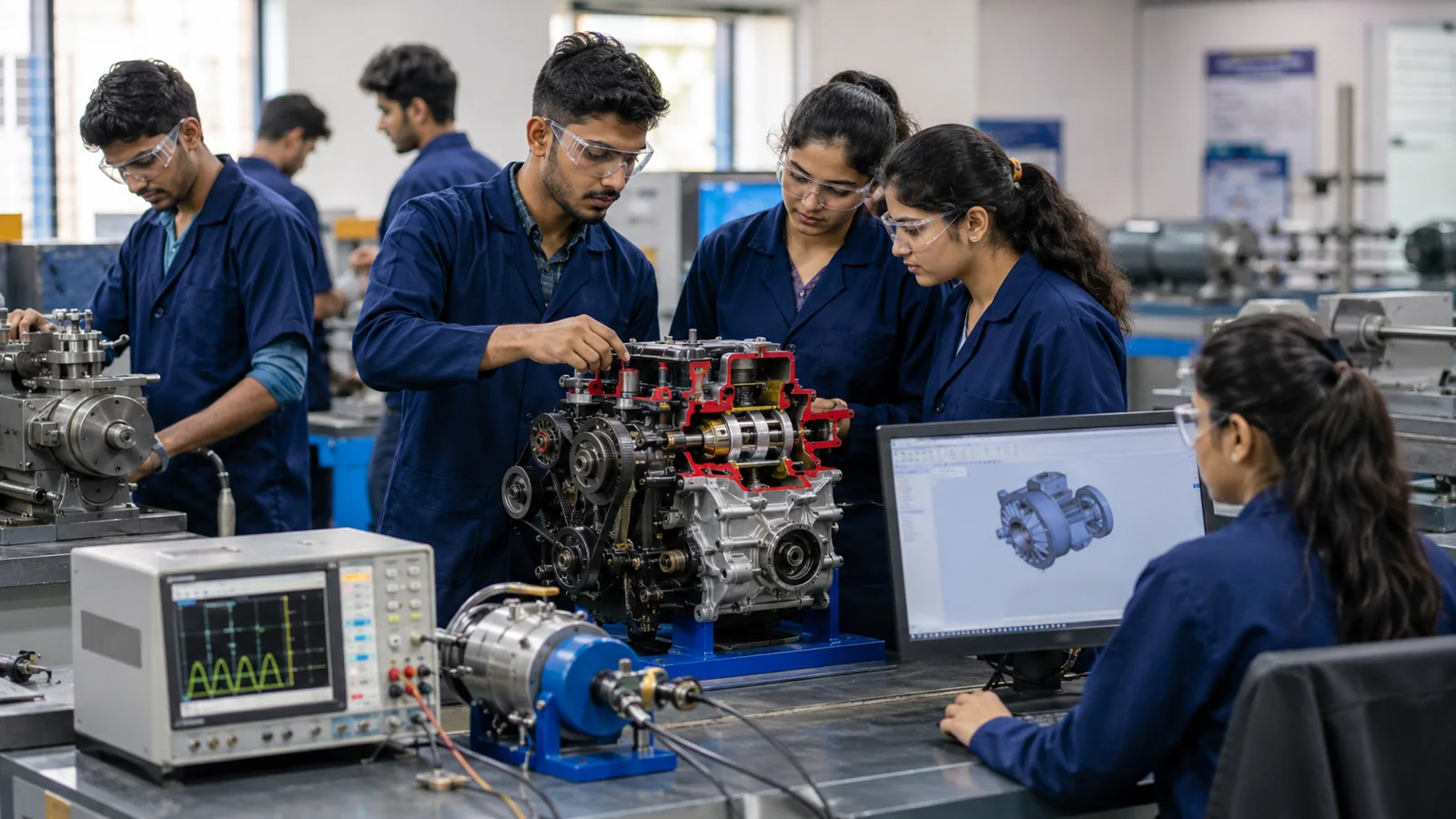
Read MoreStudy Mechanical Engineering eligibility, syllabus, fees, entrance exams, colleges, practical skills and career scope in India.
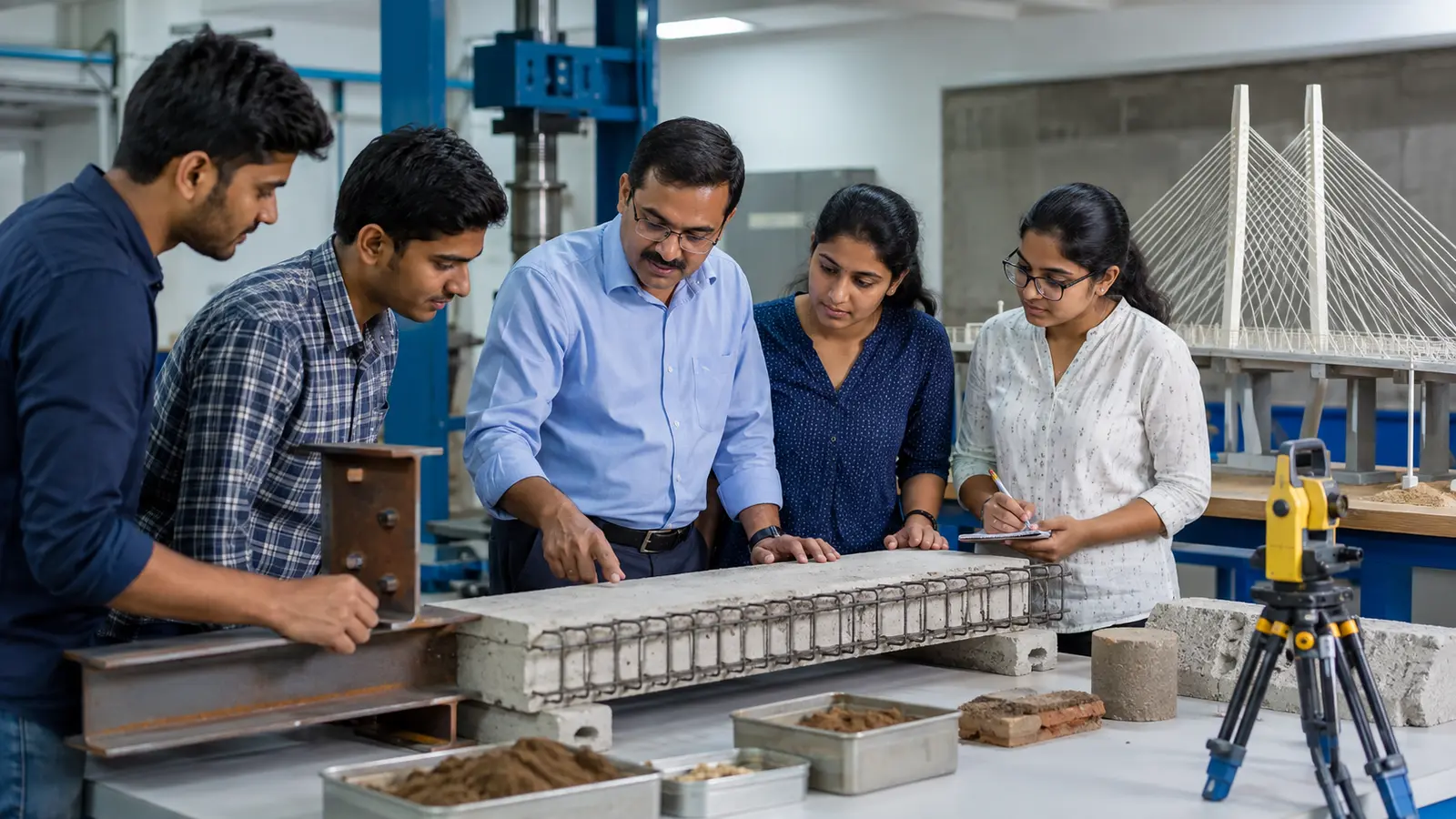
Read MoreStructures, concrete, soil mechanics, surveying, transport, hydraulics, environment, construction and infrastructure design.
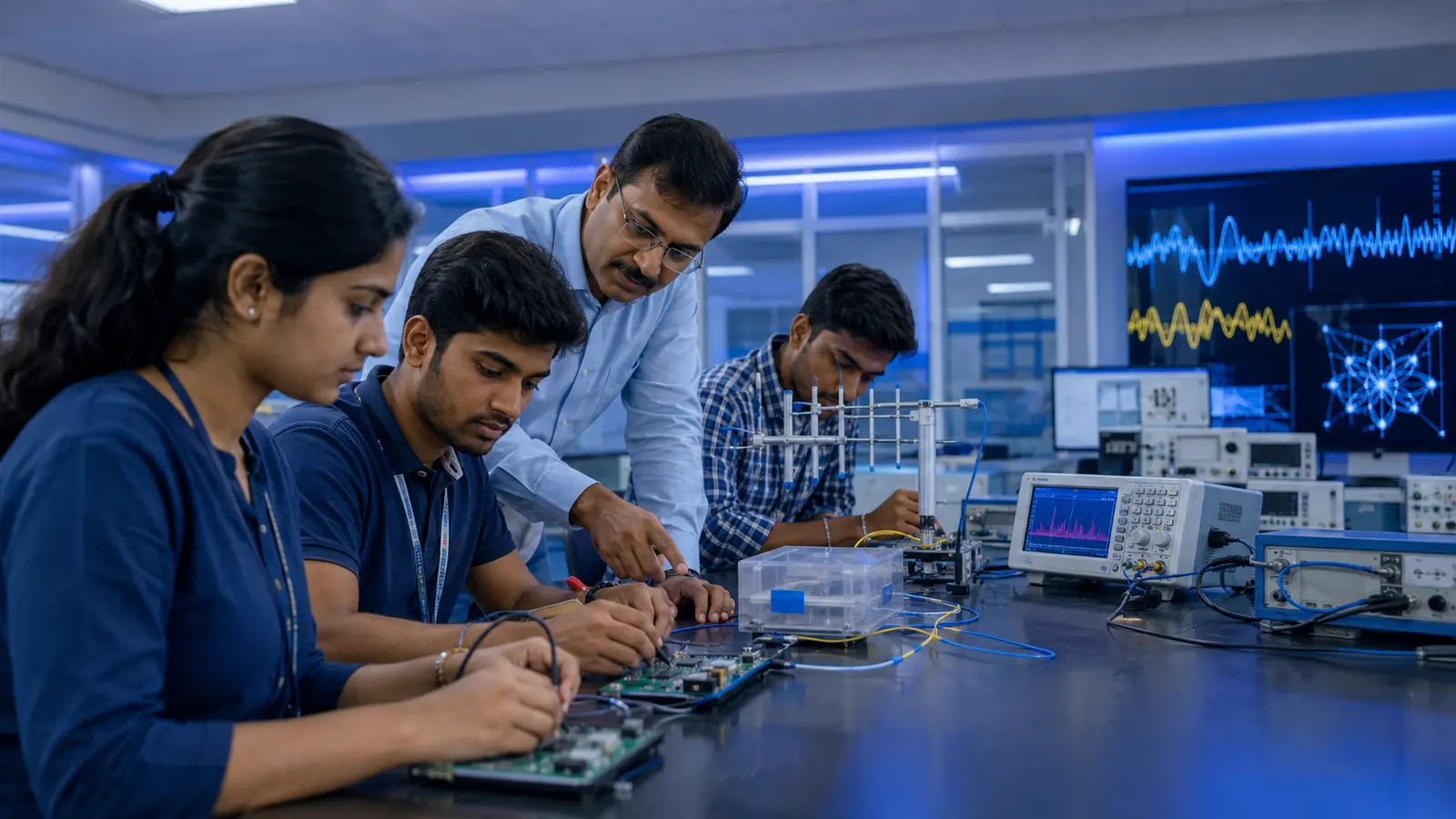
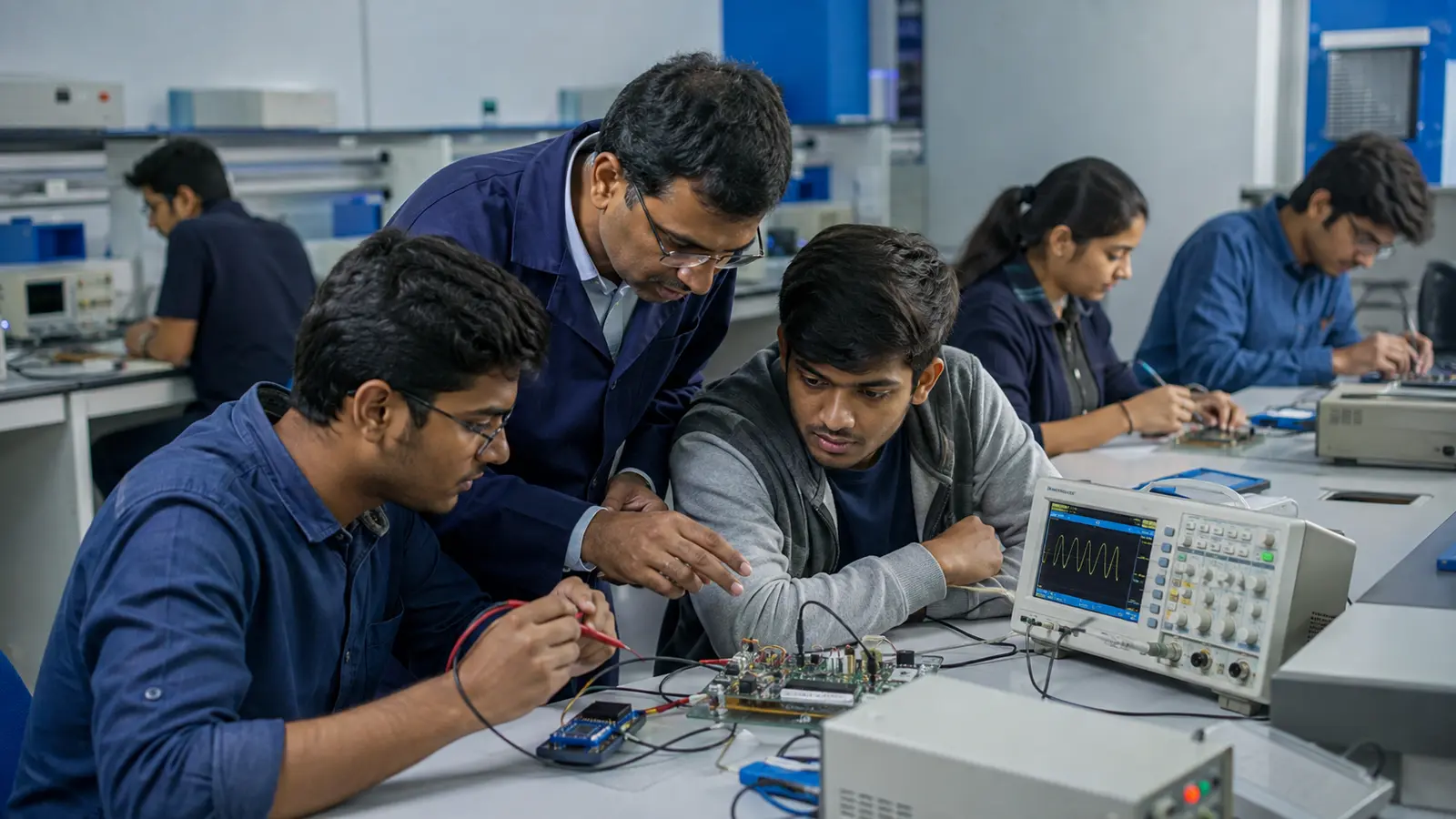
Read MoreElectronic circuits, communication systems, signals, embedded systems, RF, antennas, optical networks and digital technology.
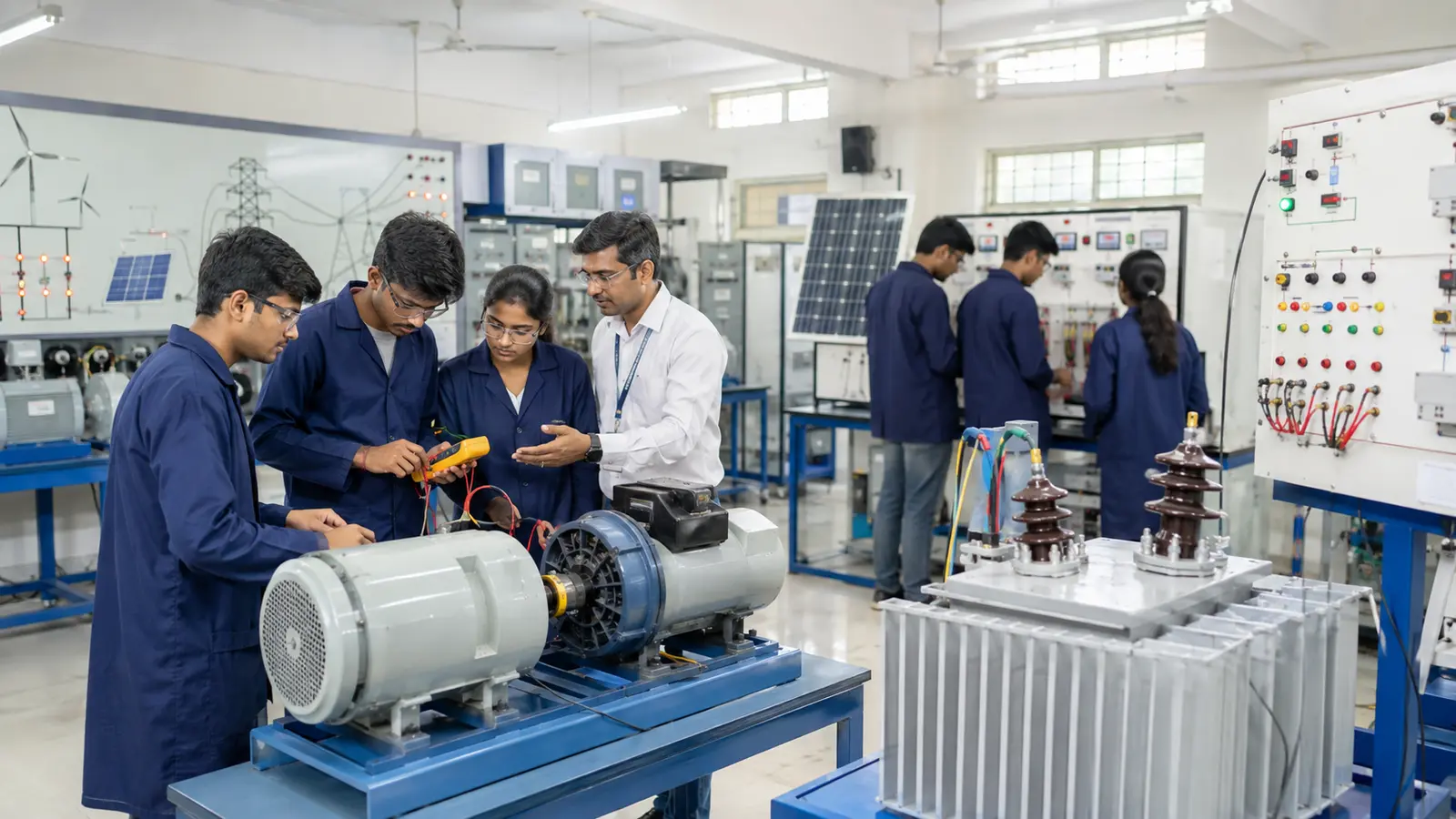
Read MorePower systems, electrical machines, protection, control, high voltage, power electronics, renewables and energy management.
Read MoreStudy Information Technology eligibility, syllabus, fees, entrance exams, colleges, practical skills and career scope in India.
Read MoreProgramming, statistics, data preparation, machine learning algorithms, deep learning, NLP, computer vision, MLOps and responsible AI.
Read MoreArtificial intelligence, statistics, data engineering, analytics, machine learning and responsible data products.
Read MoreProgramming, algorithms, mathematics, machine learning, deep learning, NLP, computer vision, generative AI and responsible AI.
Read MoreElectrical machines, power systems, electronics, control, drives, renewable energy, embedded systems and practical design.
Read MoreDigital logic, processors, computer architecture, embedded systems, programming, operating systems and networks.
Read MoreStatistics, programming, data management, visualisation, machine learning, analytics, governance and decision support.
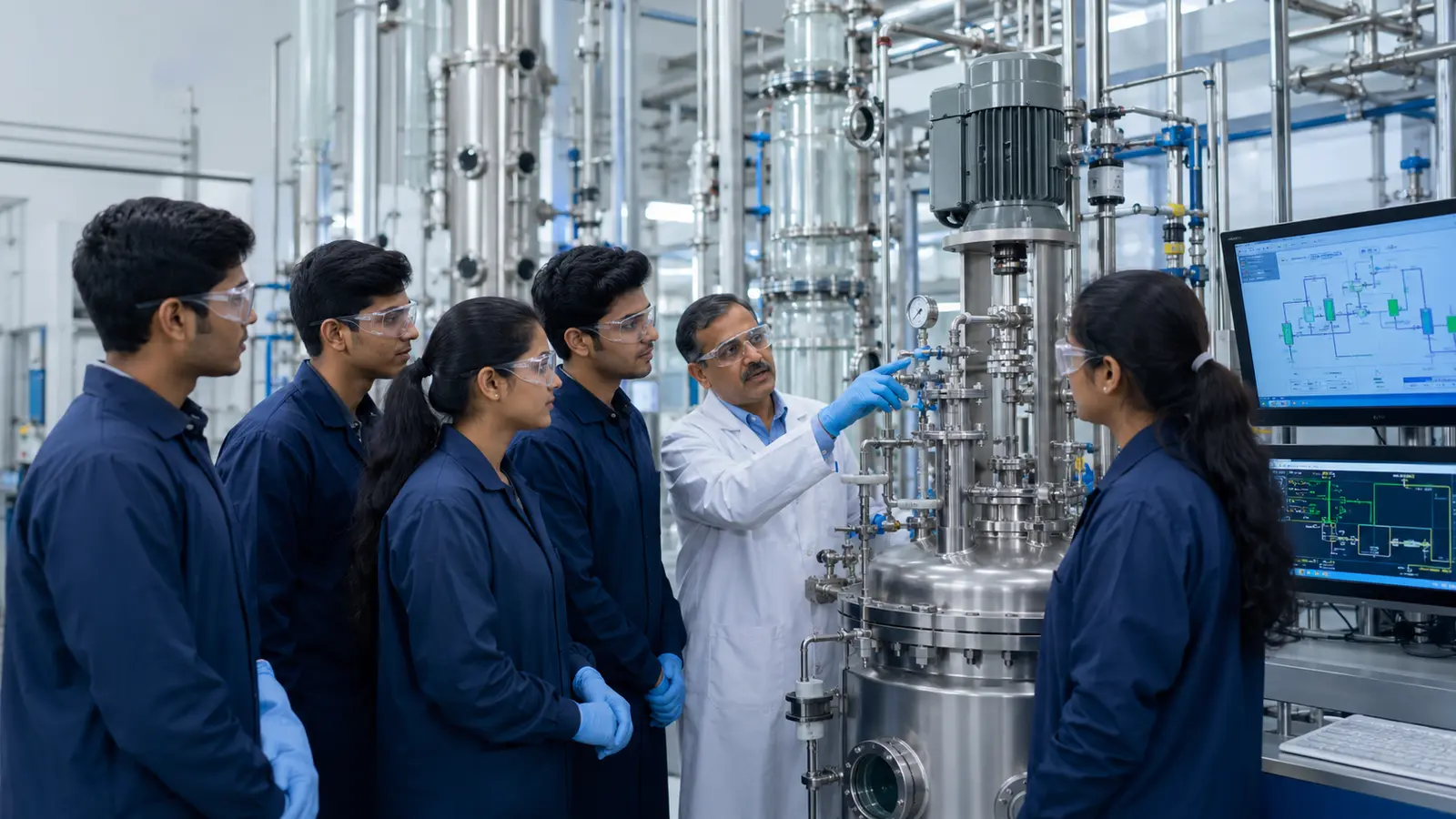
Read MoreMaterial and energy balances, transport, reactions, separations, process control, design, safety and sustainability.
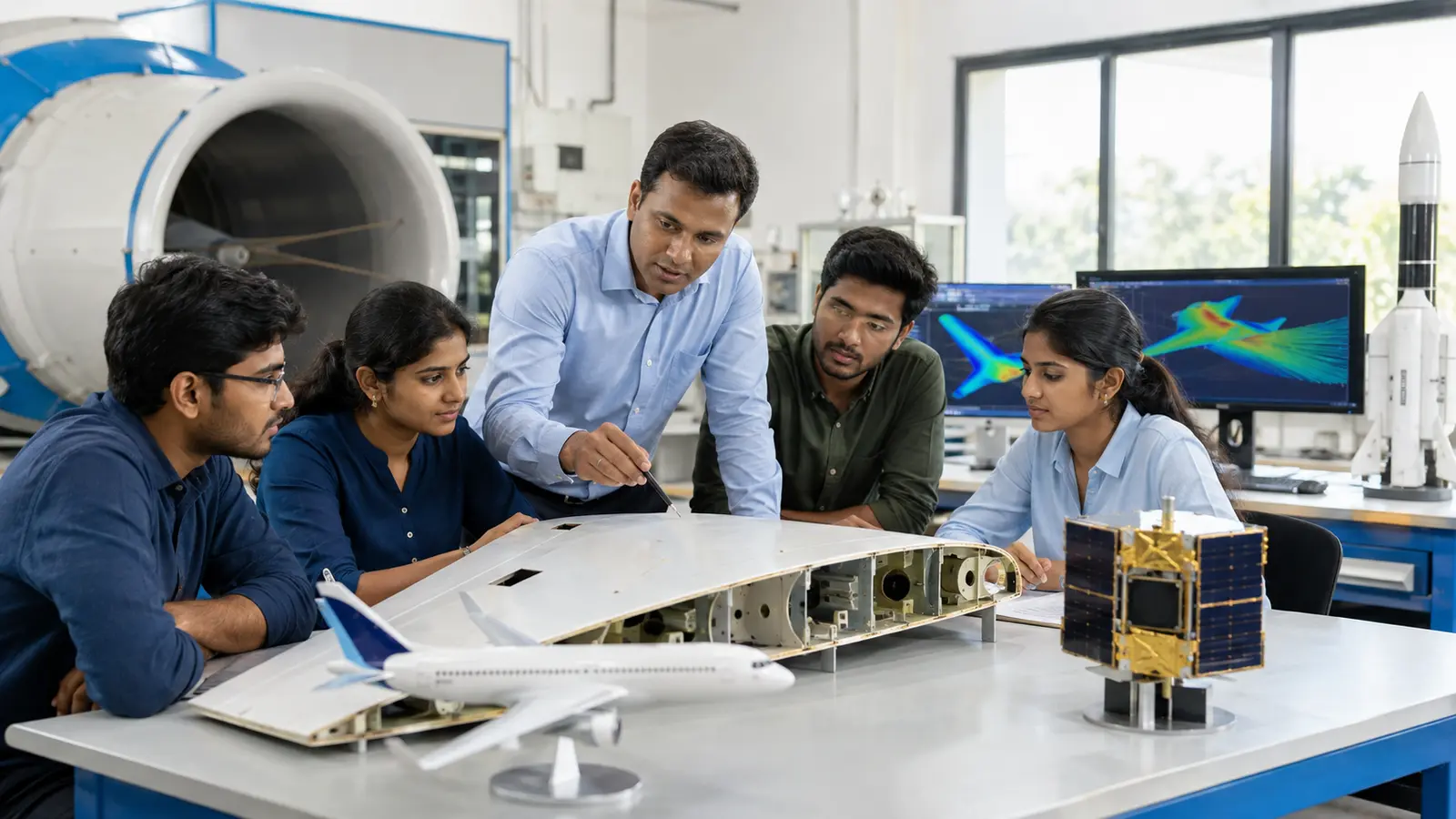
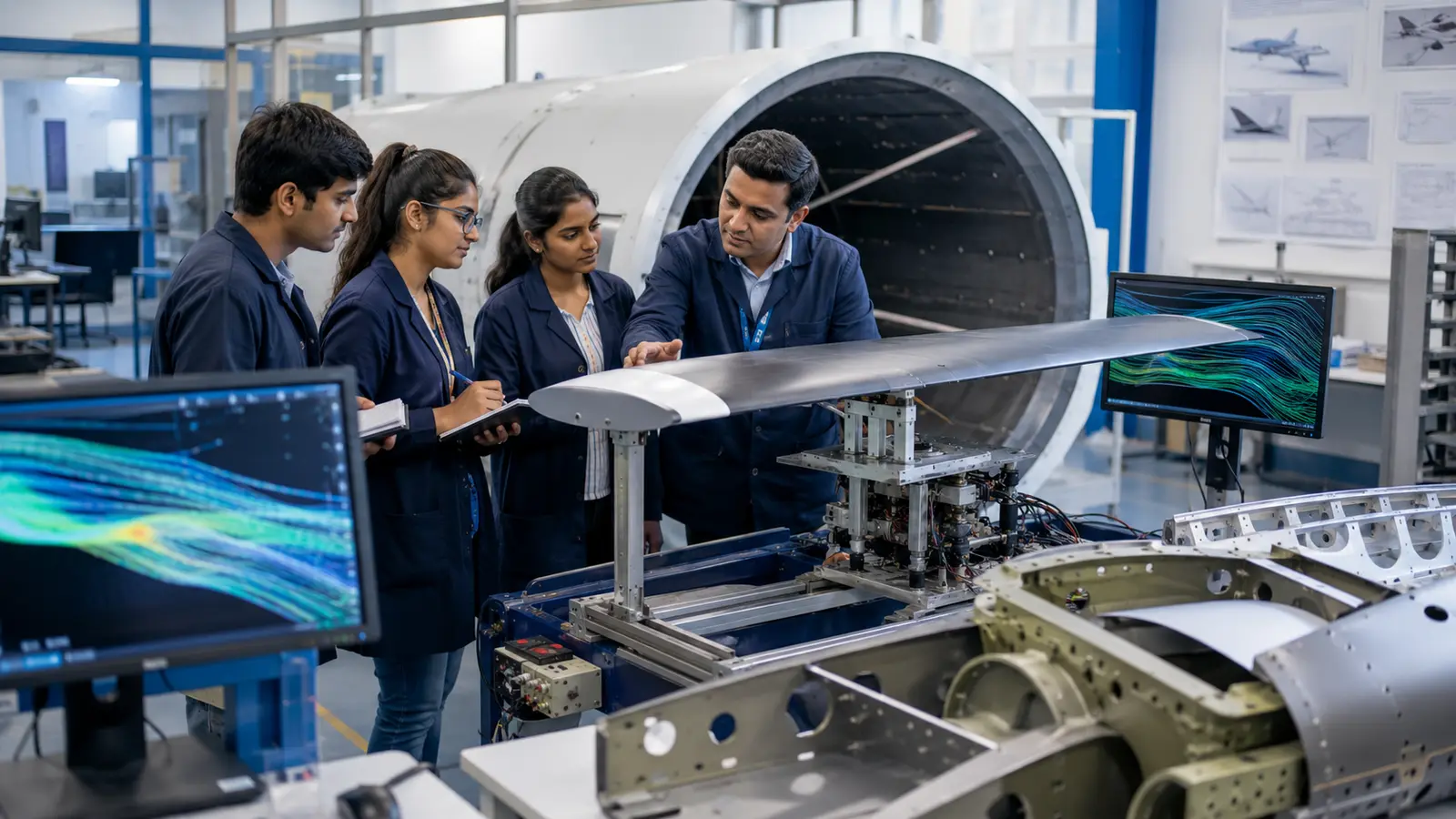
Read MoreAircraft, launch vehicles and spacecraft through aerodynamics, structures, propulsion, flight dynamics, orbital mechanics and control.
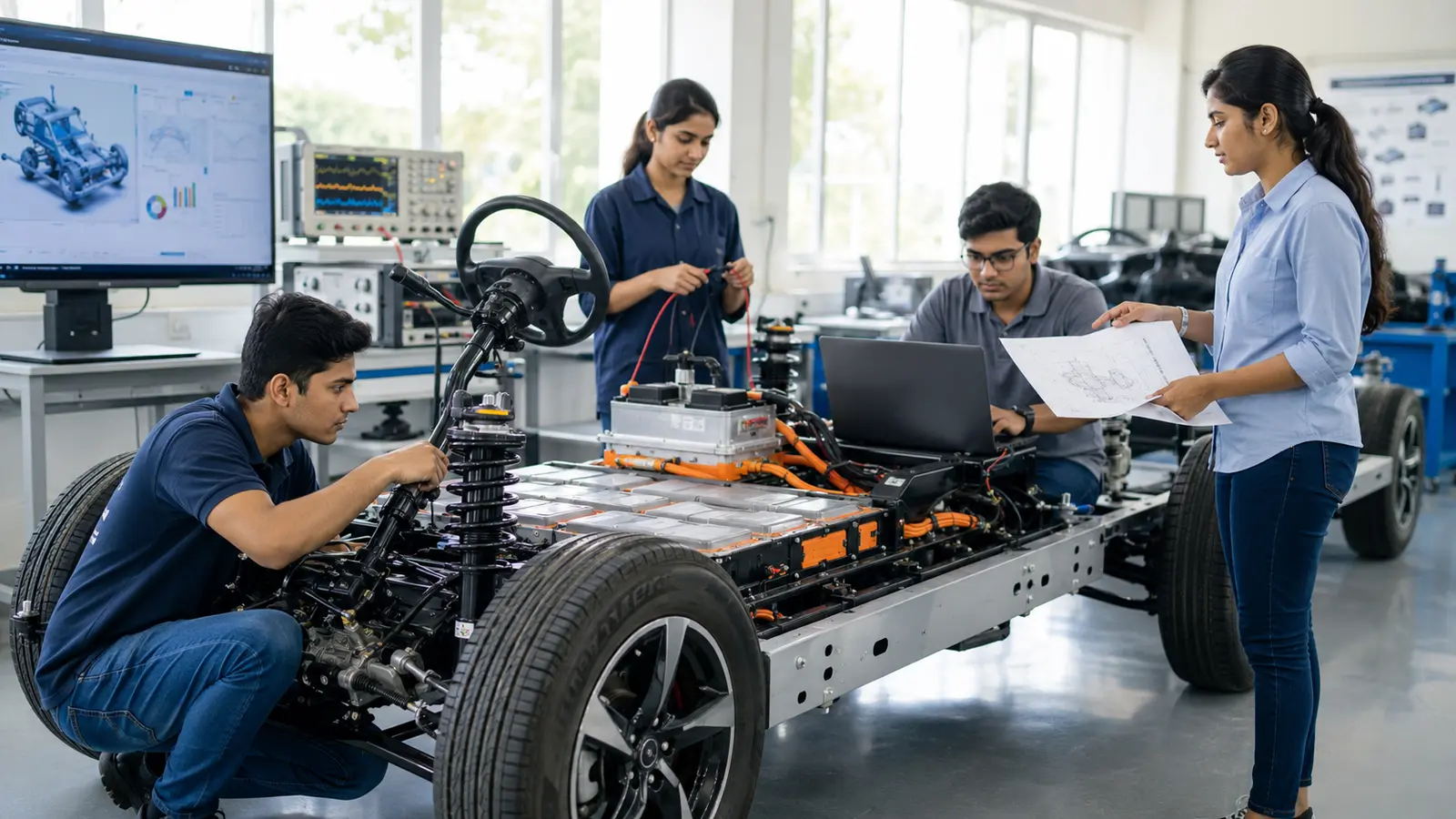
Read MoreVehicle design, engines, electric drivetrains, transmission, chassis, dynamics, electronics, safety, manufacturing, diagnostics and testing.
Read MoreStudy Electronics Engineering eligibility, syllabus, fees, entrance exams, colleges, skills and career scope in India.
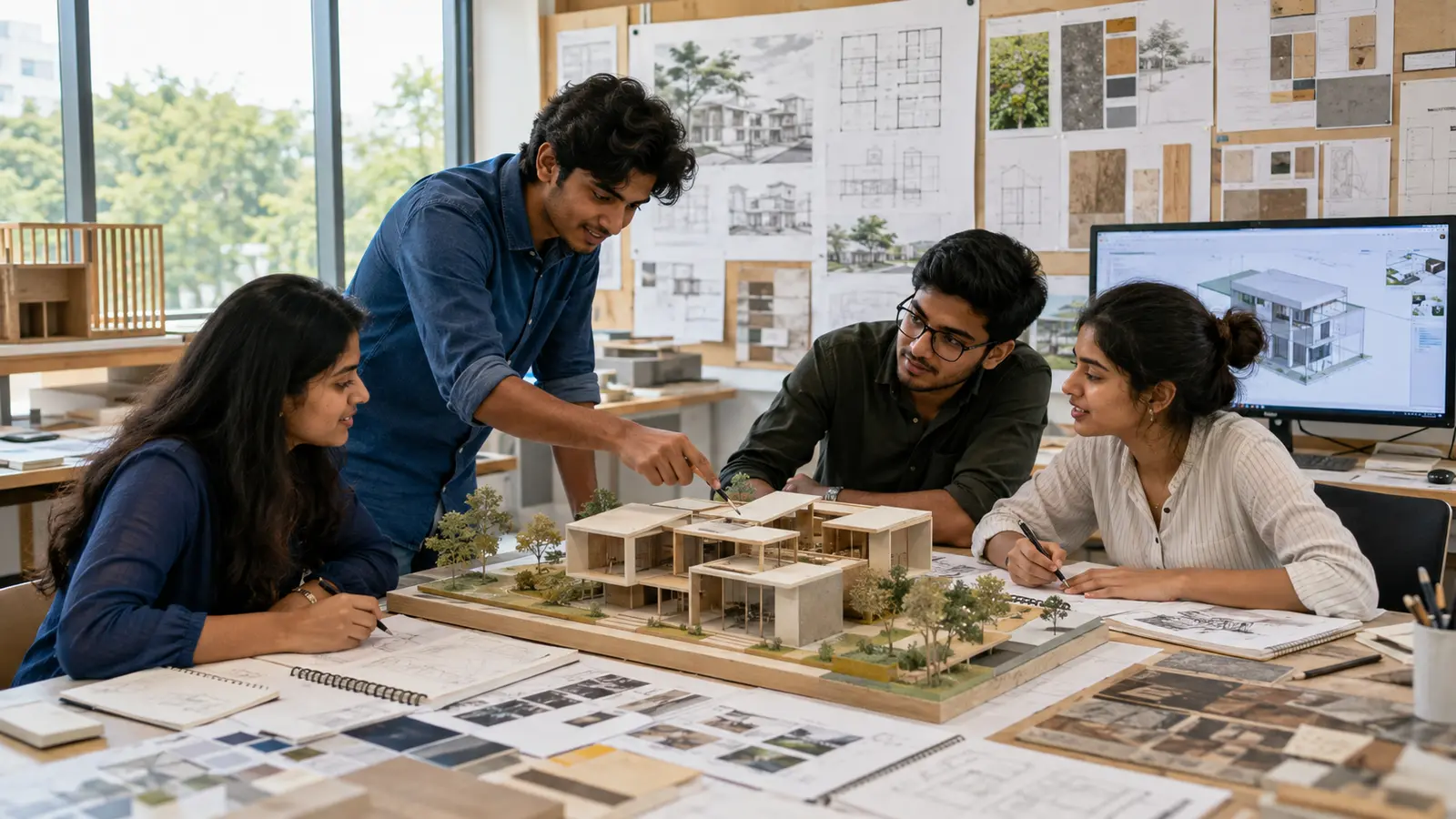
Read MoreArchitectural design, spatial planning, construction, structures, climate, history, representation, professional practice and the public realm.
Read MoreAircraft design, aerodynamics, structures, propulsion, flight mechanics, avionics, testing and aviation systems.
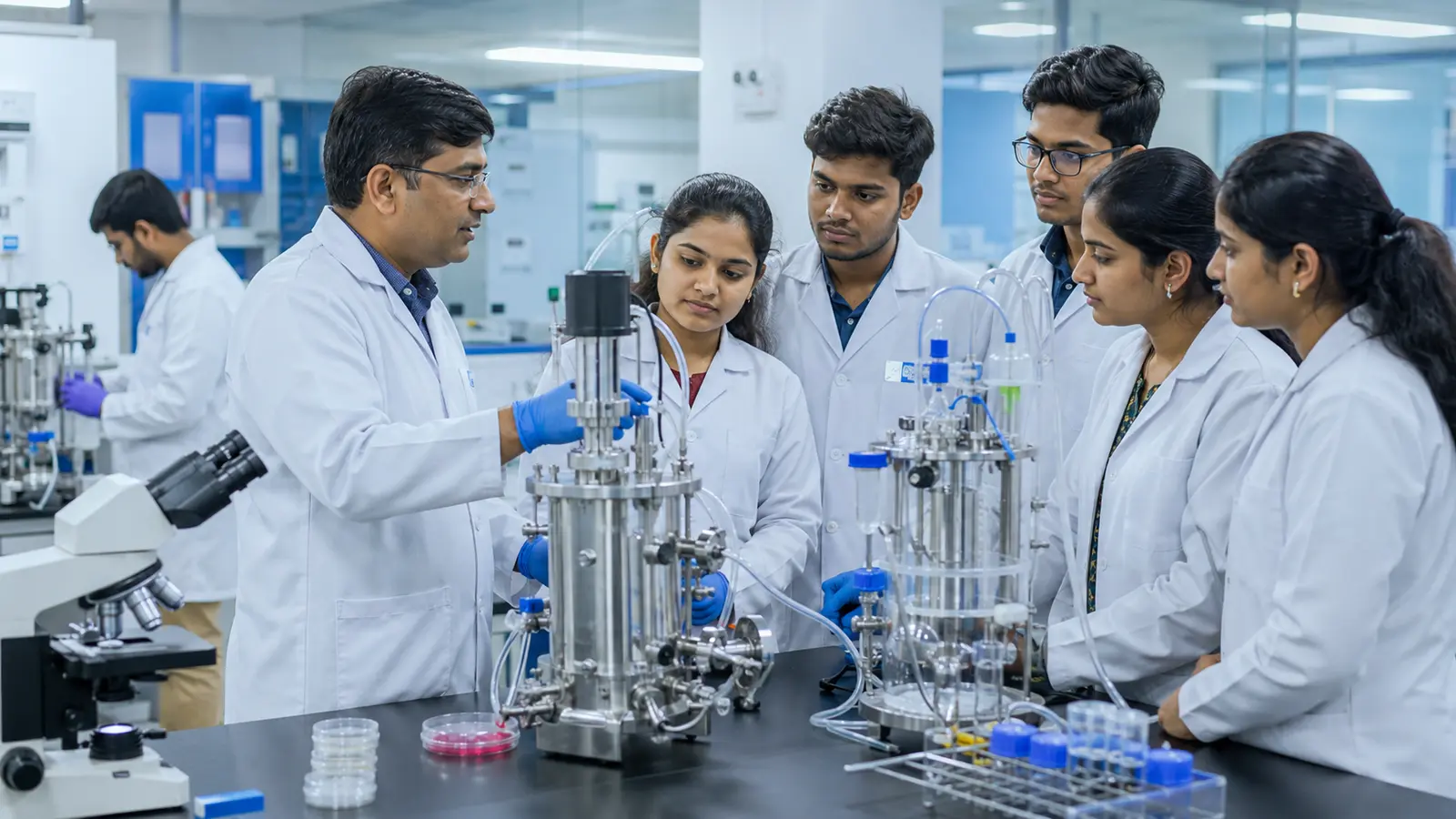
Read MoreMolecular biology, microbiology, genetics, biochemistry, bioprocess engineering, bioinformatics, quality and scale-up.
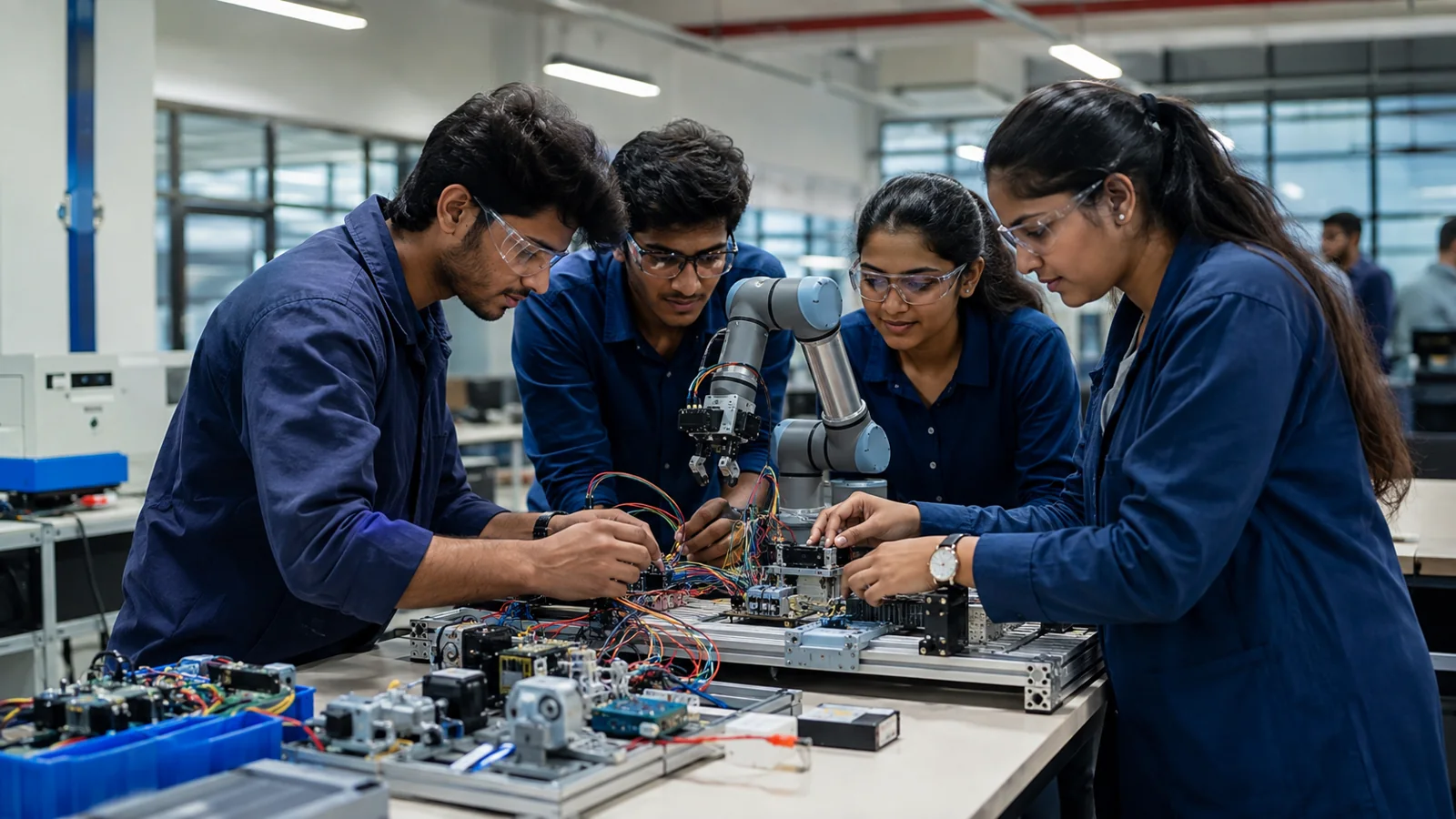
Read MoreStudy Mechatronics Engineering eligibility, syllabus, fees, entrance exams, colleges, practical skills and career scope in India.
Read More